I turn chaos into systems.
The shared language 300+ dev teams and 160+ brands speak every day — designed, engineered, and argued for by one person. Scroll, and watch the noise organize.
Six years of my life live in these systems. Worth every token.
See the work→Selected work
01 — Index · 2018–2026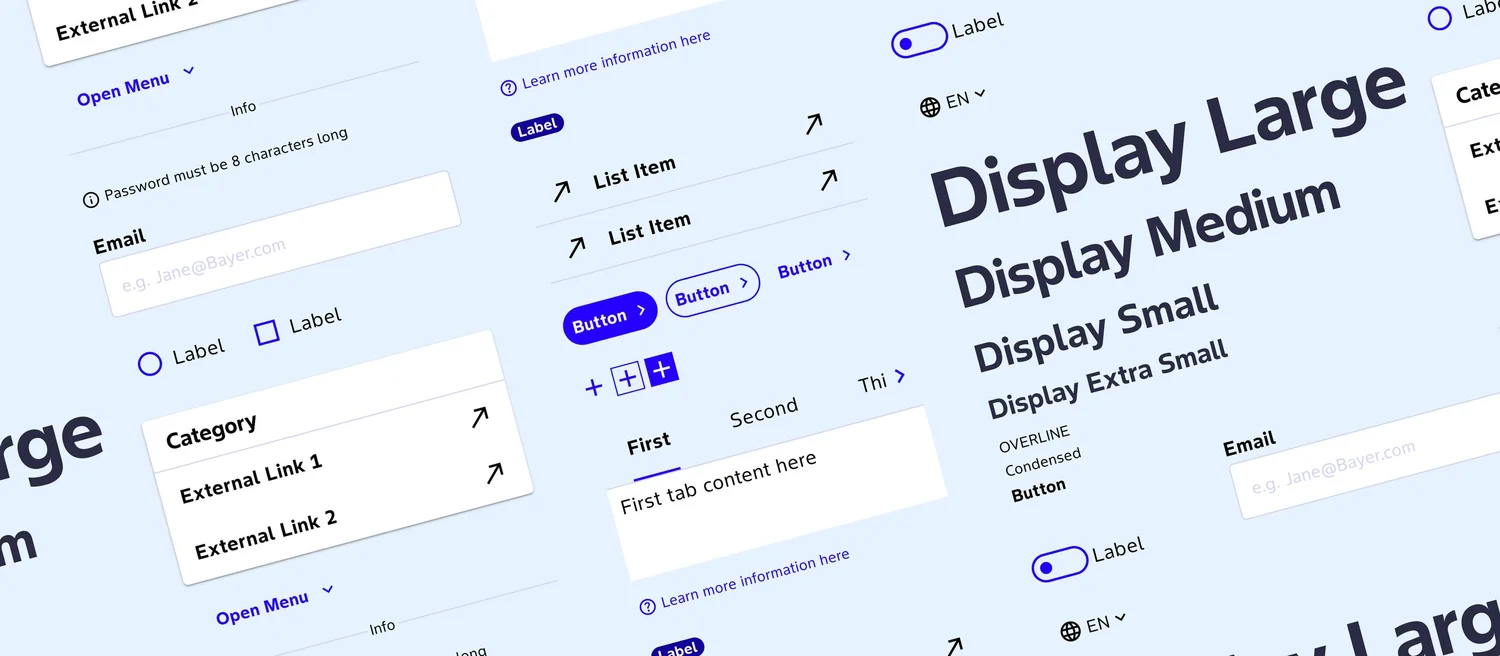 P.02
Element
The system running the company while its successor is built. Multi-brand token pipeline generating production CSS for 160+ brands simultaneously. 90% adoption — earned, not mandated.
The one that never sleeps.
P.02
Element
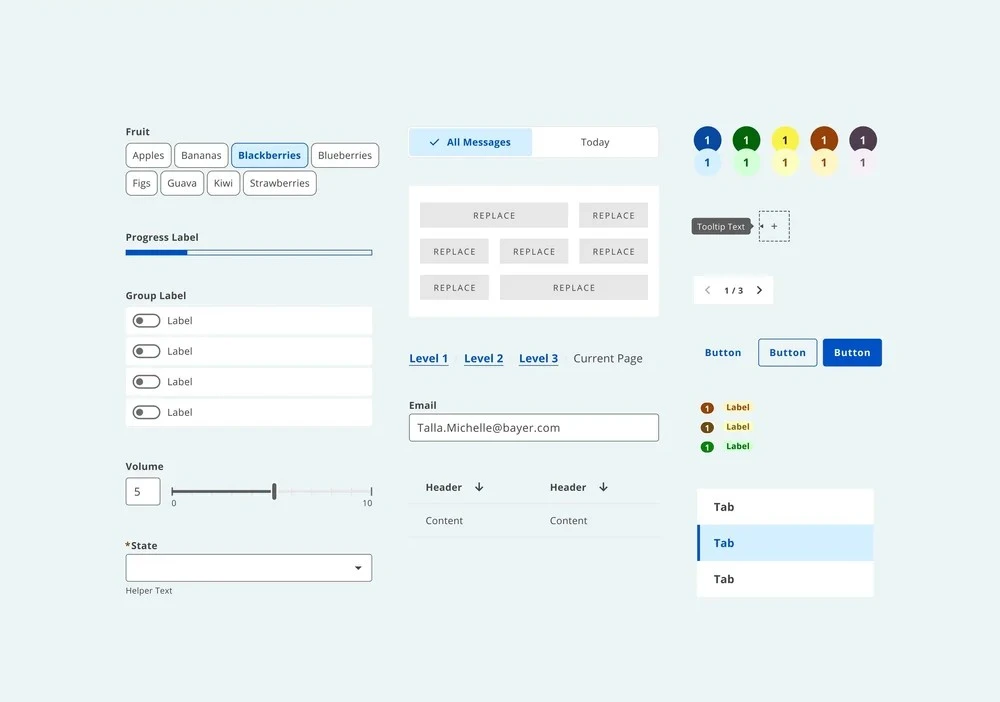
The system running the company while its successor is built. Multi-brand token pipeline generating production CSS for 160+ brands simultaneously. 90% adoption — earned, not mandated.
The one that never sleeps.
 P.03
Alias Flow ↗
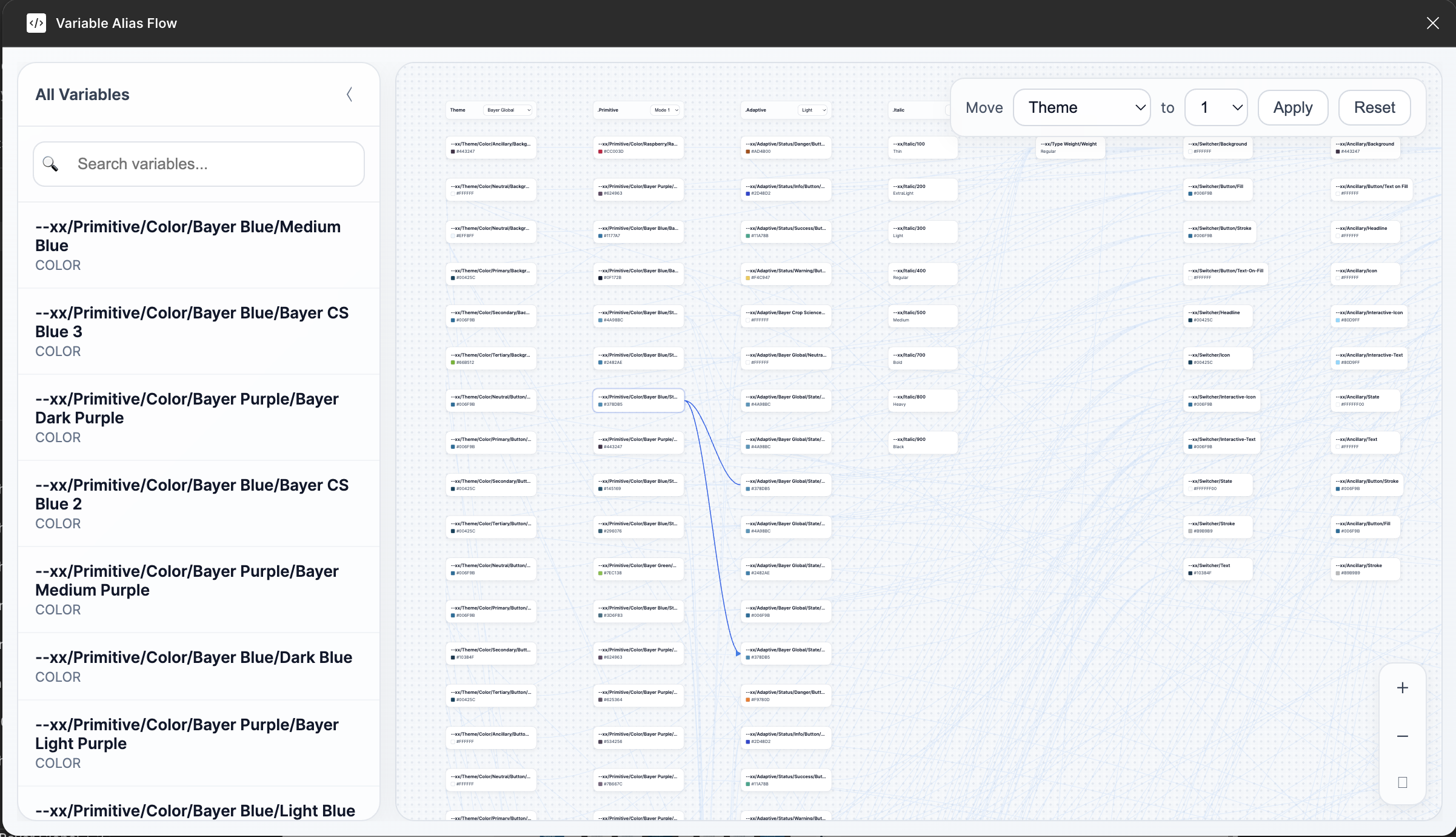
Click any Figma variable and follow its alias chain across collections and modes — the token graph, made visible. Built to fill a real gap in Figma's native tooling.
Built on nights I couldn't let it go.
P.03
Alias Flow ↗
Click any Figma variable and follow its alias chain across collections and modes — the token graph, made visible. Built to fill a real gap in Figma's native tooling.
Built on nights I couldn't let it go.
 P.04
Contrast Checker ↗
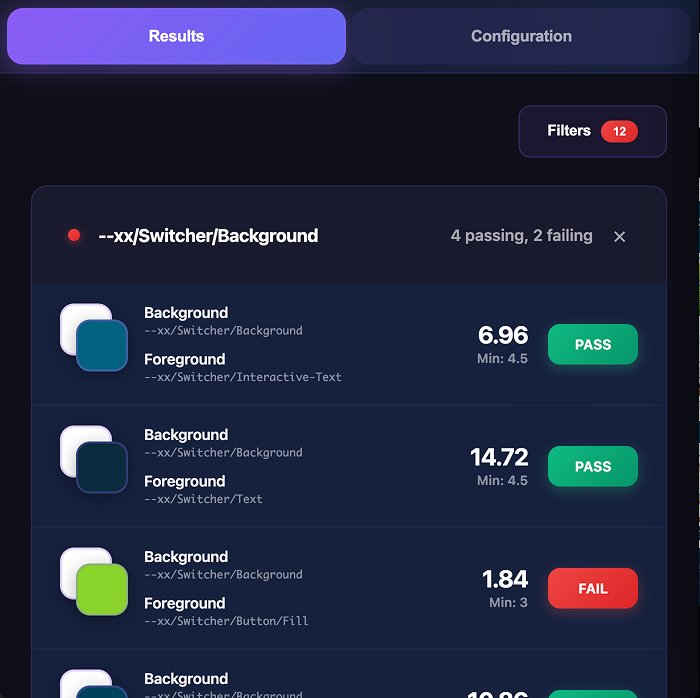
WCAG 2.1 AA validation at 160-brand scale — every foreground/background combination tested, failures surfaced by component.
P.04
Contrast Checker ↗
WCAG 2.1 AA validation at 160-brand scale — every foreground/background combination tested, failures surfaced by component.
 P.05
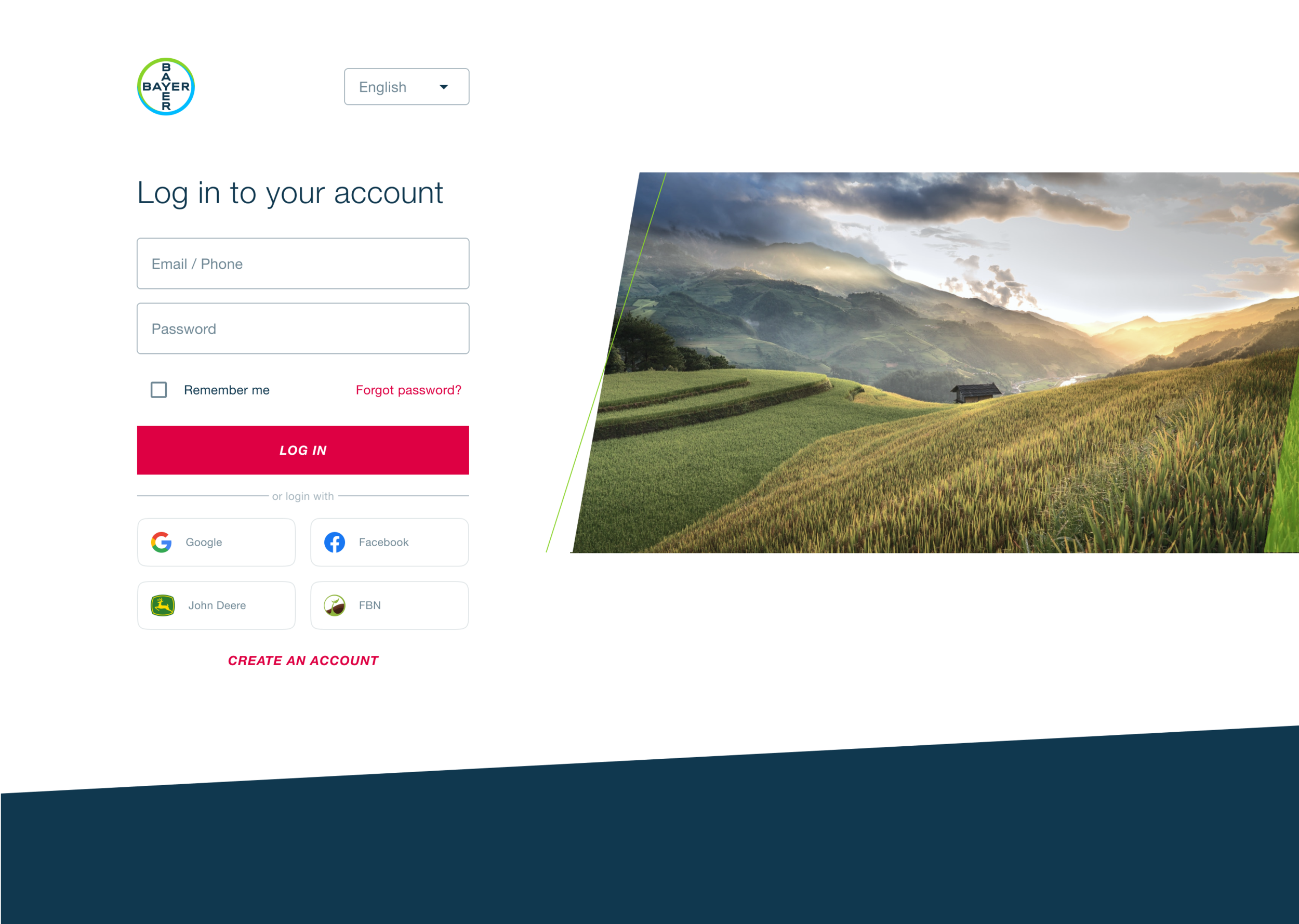
Crop Science
End-to-end UX for Bayer's agricultural e-commerce platform — pre- and post-auth flows, complex catalog navigation, purchasing workflows built for farmers, not funnels.
P.05
Crop Science
End-to-end UX for Bayer's agricultural e-commerce platform — pre- and post-auth flows, complex catalog navigation, purchasing workflows built for farmers, not funnels.
 P.06
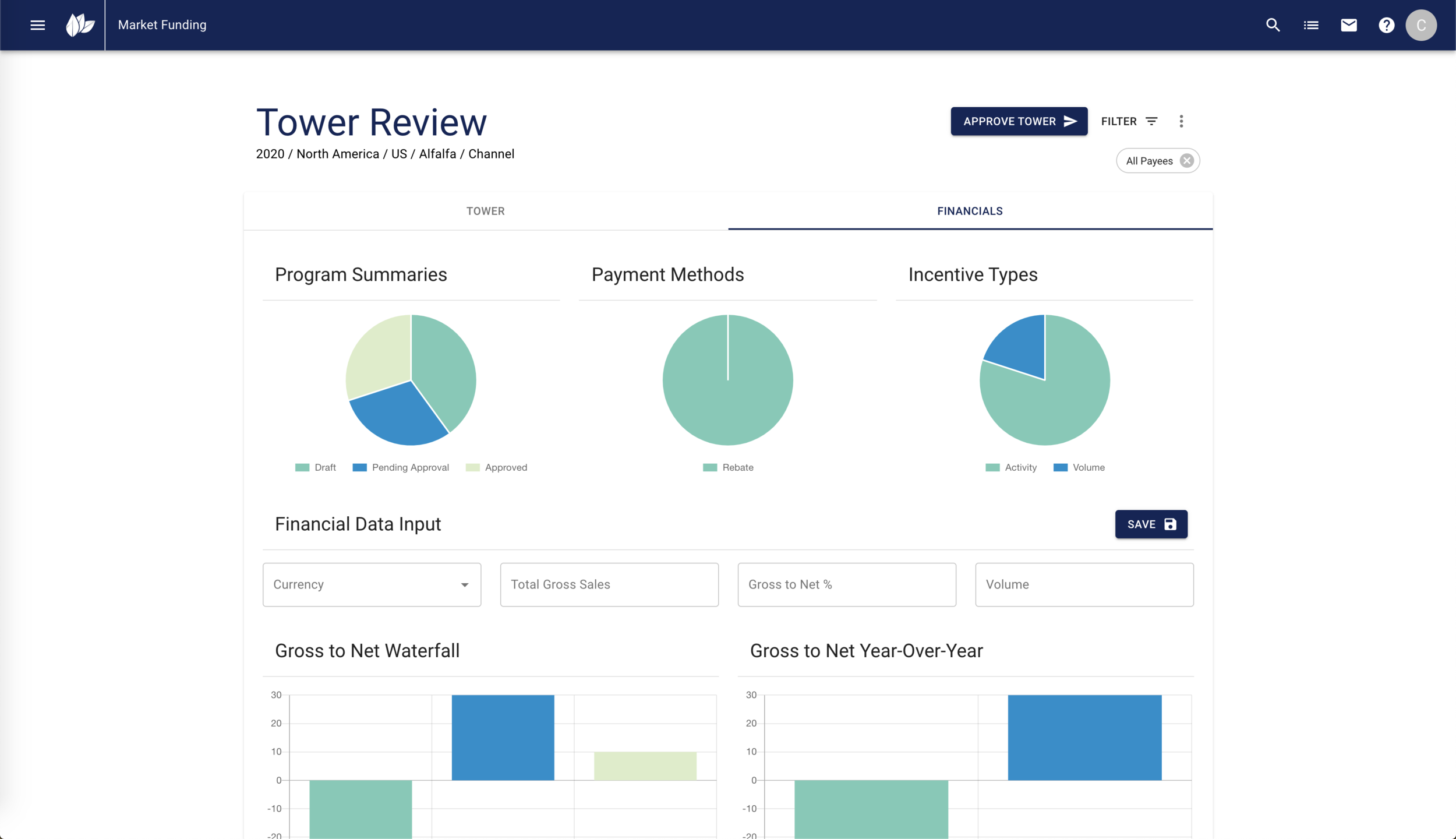
DART
Financial storytelling in React and Chart.js — waterfall charts, year-over-year comparisons, and program dashboards, all built on the design system.
P.06
DART
Financial storytelling in React and Chart.js — waterfall charts, year-over-year comparisons, and program dashboards, all built on the design system.
 P.07
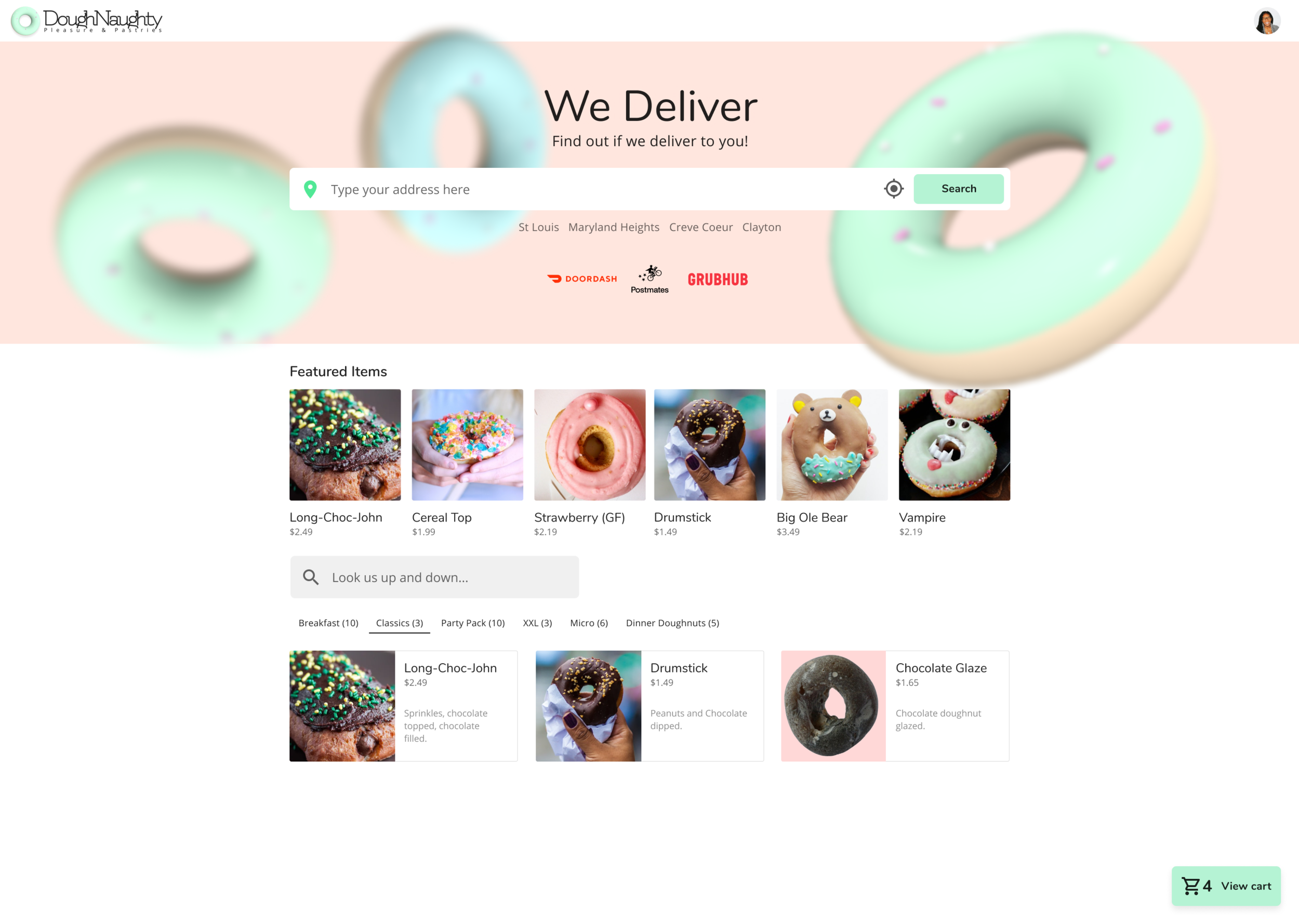
DoughNaughty
A donut delivery app — location-aware ordering, cart, checkout. Proof that rigor and delight belong together.
Pure joy. Zero governance meetings.
P.07
DoughNaughty
A donut delivery app — location-aware ordering, cart, checkout. Proof that rigor and delight belong together.
Pure joy. Zero governance meetings.
Good systems are acts of care that nobody will ever thank you for. I don't write design tokens because I love naming things "surface-secondary-hover." I write them so some engineer at 2am doesn't have to guess what blue I meant. That's it. That's the romance.
Live token graph
02 — W3C DTCG · InteractiveThe same architecture runs 160+ brands in production. This is one palette of it.
Both roles. One owner.
03 — Practice
Design and engineering. Not hand-off — ownership.
At Bayer I'm the primary technical design systems architect for a Fortune 500 organization: 300+ dev teams, 160+ brands, 100+ products globally. I own the complete stack — uxElle, the AI-era rebuild, and Element, the legacy system still running the company.
I got uxElle greenlit by writing the business case for why a 2019-deprecated foundation couldn't serve an AI-native organization. Deep execution plus the organizational argument for systemic change — that's what Staff means to me. And honestly? It's the best part of the job.
Six years at scale
04 — Timeline · 2018–presentPrimary technical design systems architect across a Fortune 500. Simultaneously leading uxElle (ground-up rebuild) while maintaining Element (300+ teams). Wrote the business case that greenlit uxElle. Invented the a11y Code Connect pattern. Authored company-wide Cursor AI context files. Led e-commerce UX contributing to $2M+ in revenue.
Maintained and evolved the enterprise Figma design system. Rebuilt component APIs to eliminate prop/HTML naming conflicts. Introduced composable wrapper patterns for menus and tooltips, mirroring developer patterns.
Responsive front-end interfaces for TIAA Bank, Microsoft, and LinkedIn across 15+ simultaneous projects. Component library and design system principles throughout.
Let's buildthe system.
Bring me the chaos — the 40 shades of blue, the six button components, the teams that stopped talking. That's my favorite starting point.
Stephenpsalyer@gmail.com"A design system is not a component library. It is the language the organization speaks — and the semantic layer AI codes from."